Abufari Biological Reserve: Arrau Turtle Sanctuary on the Purus River

default img

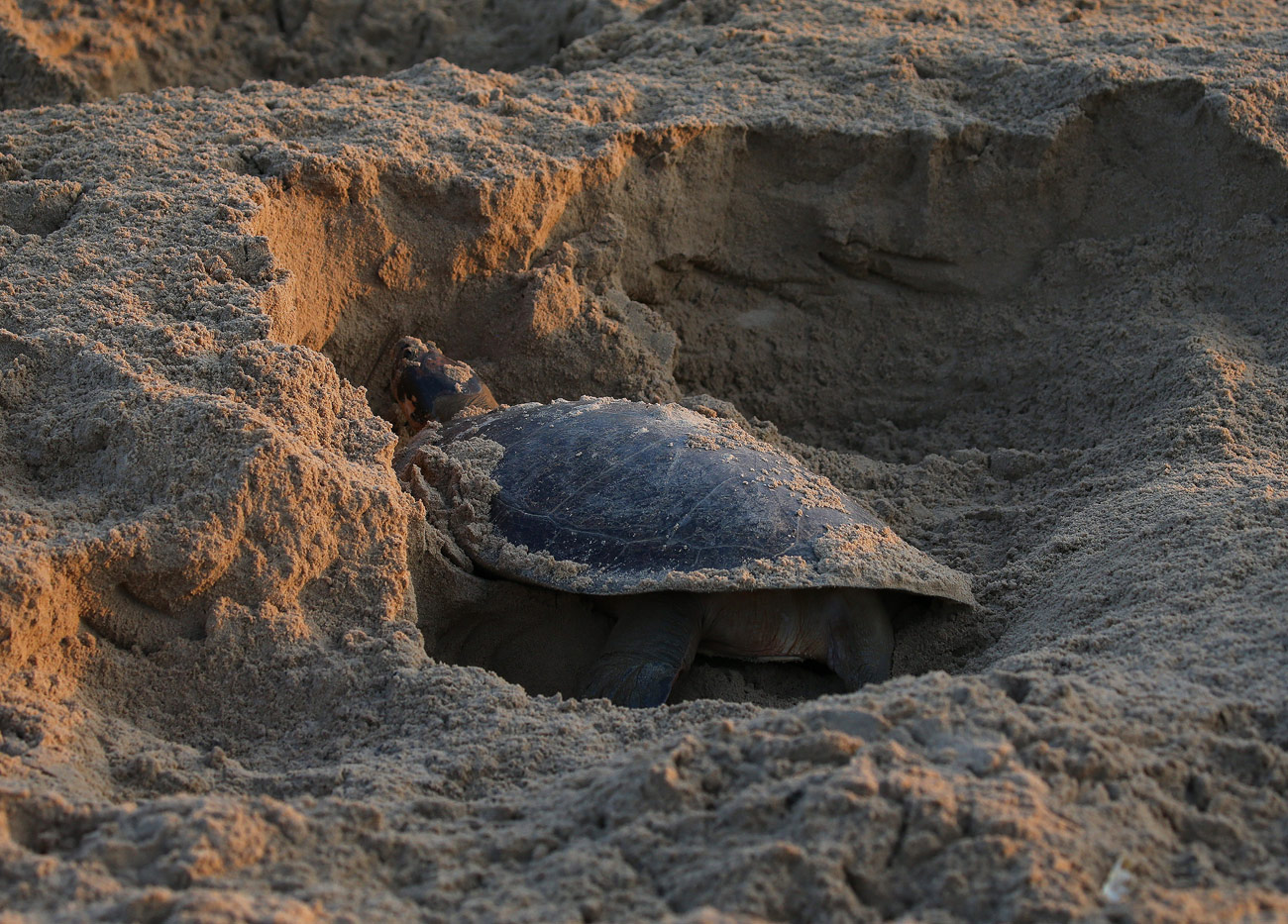
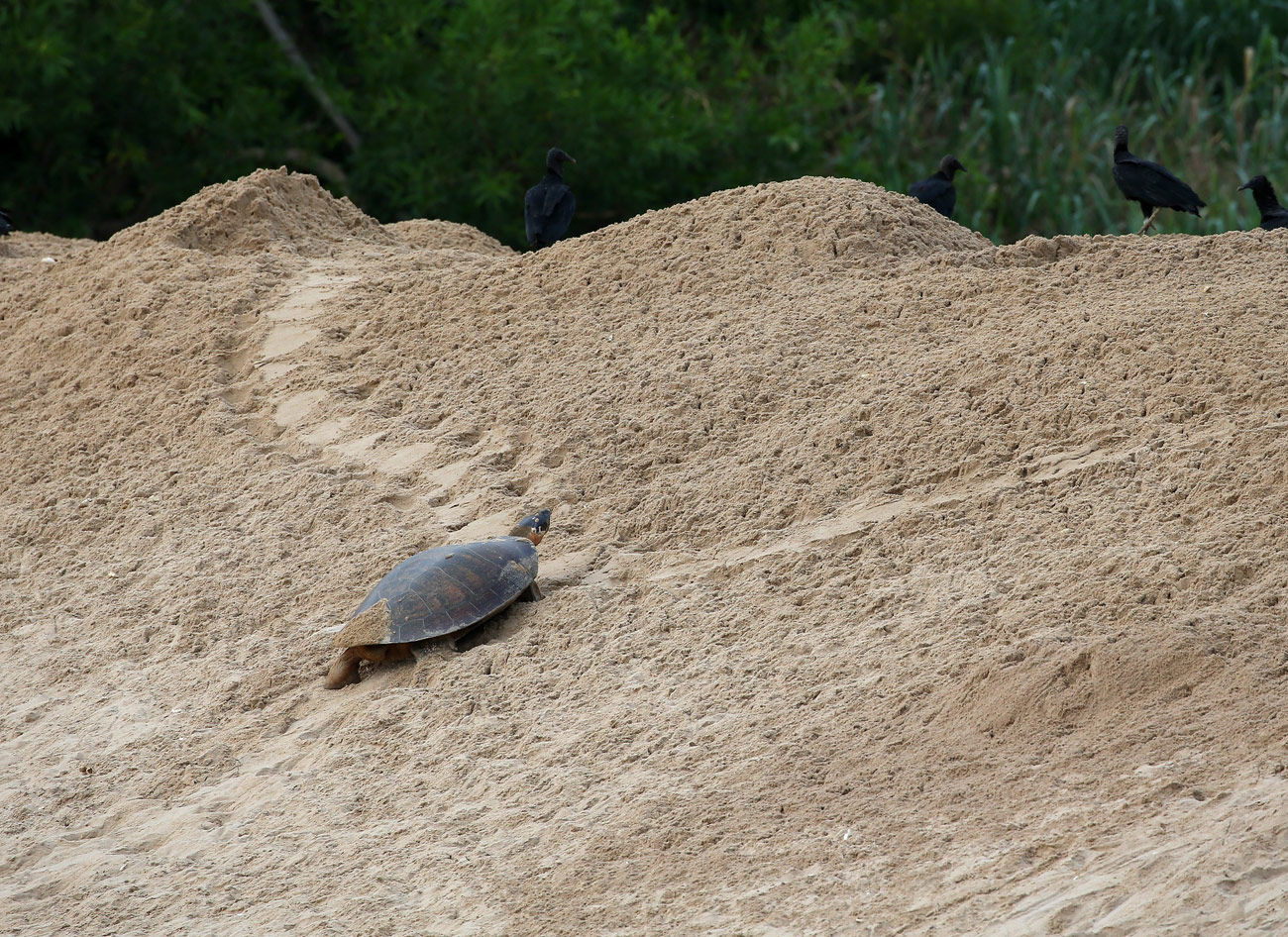
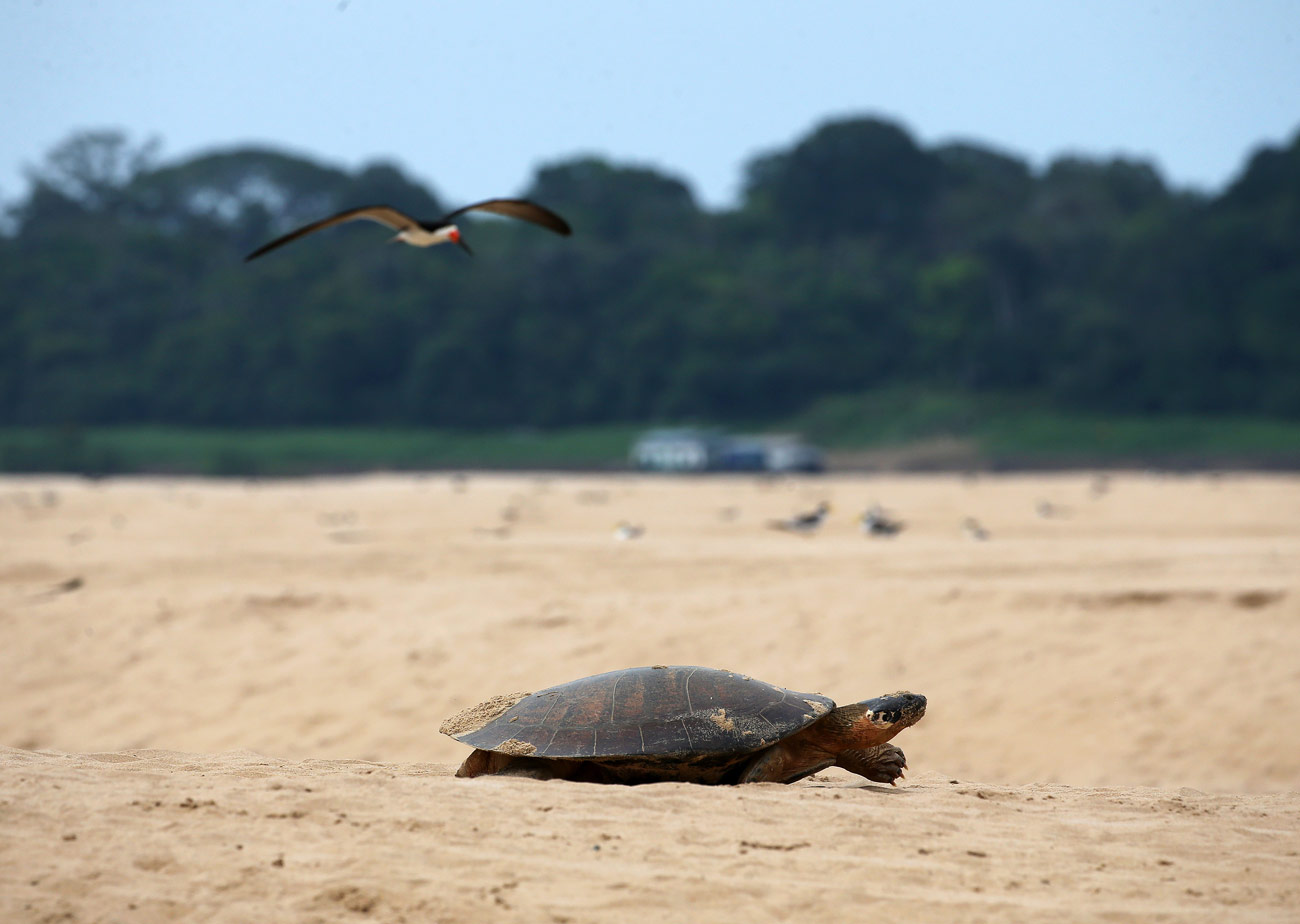
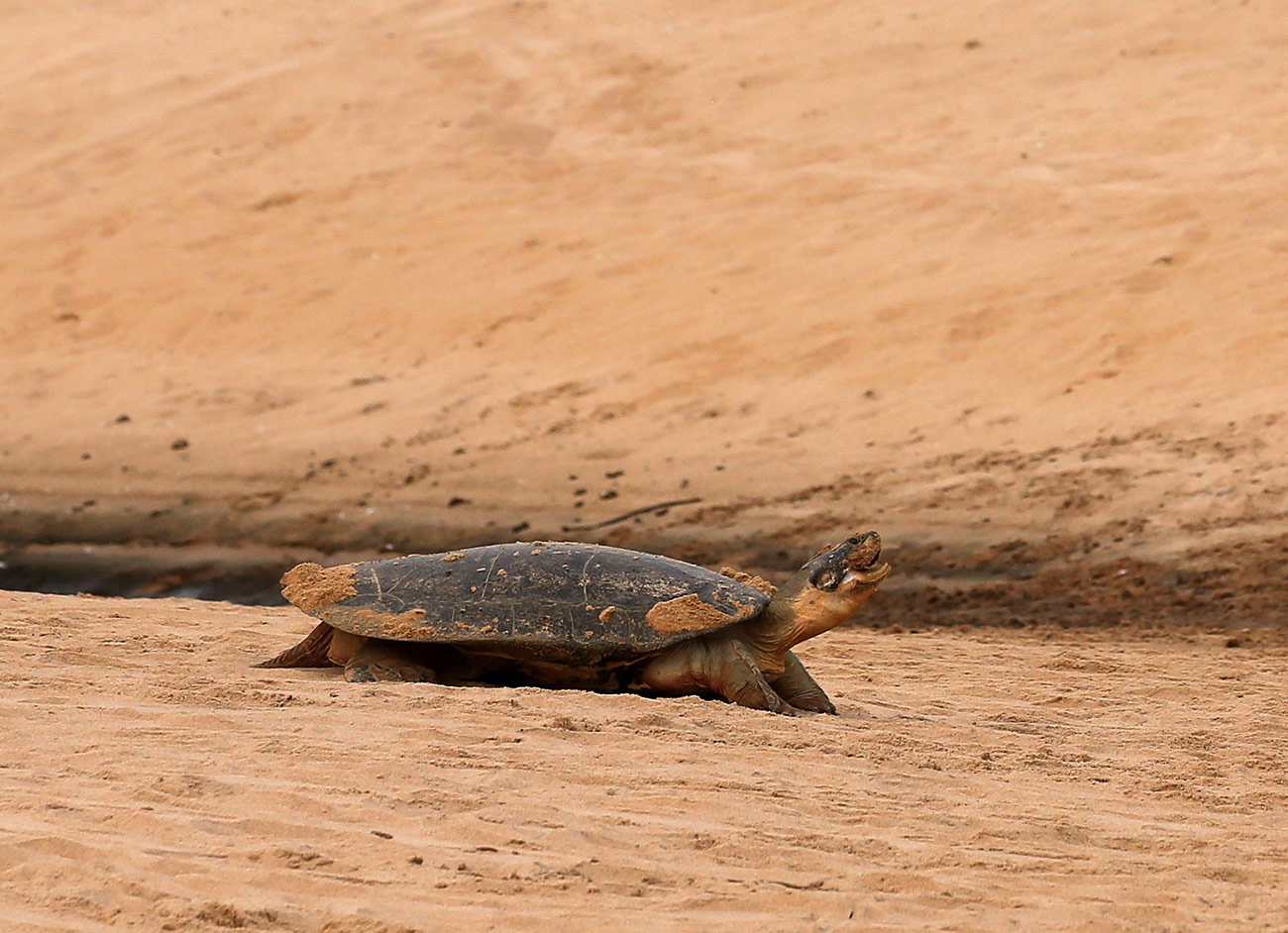
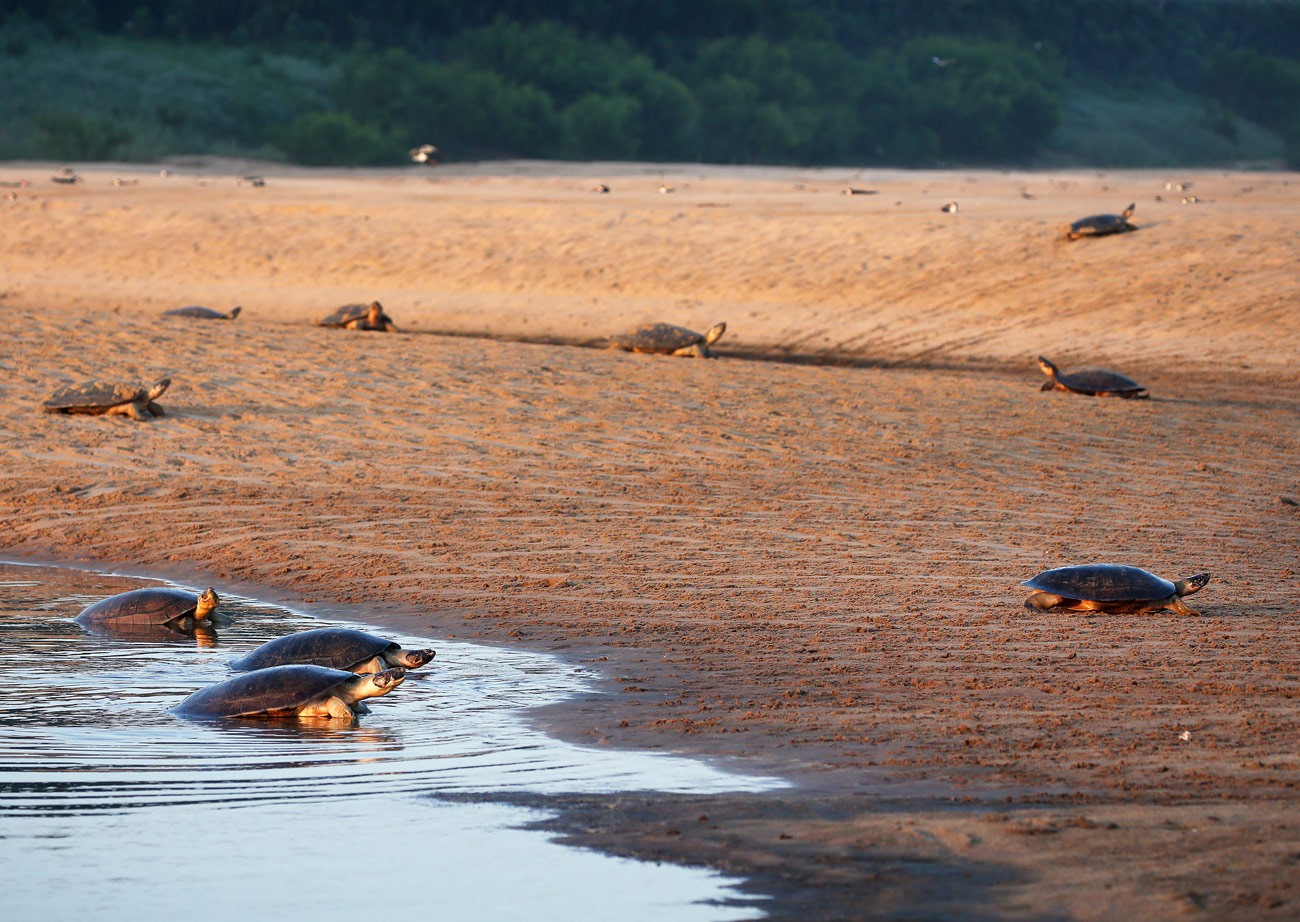
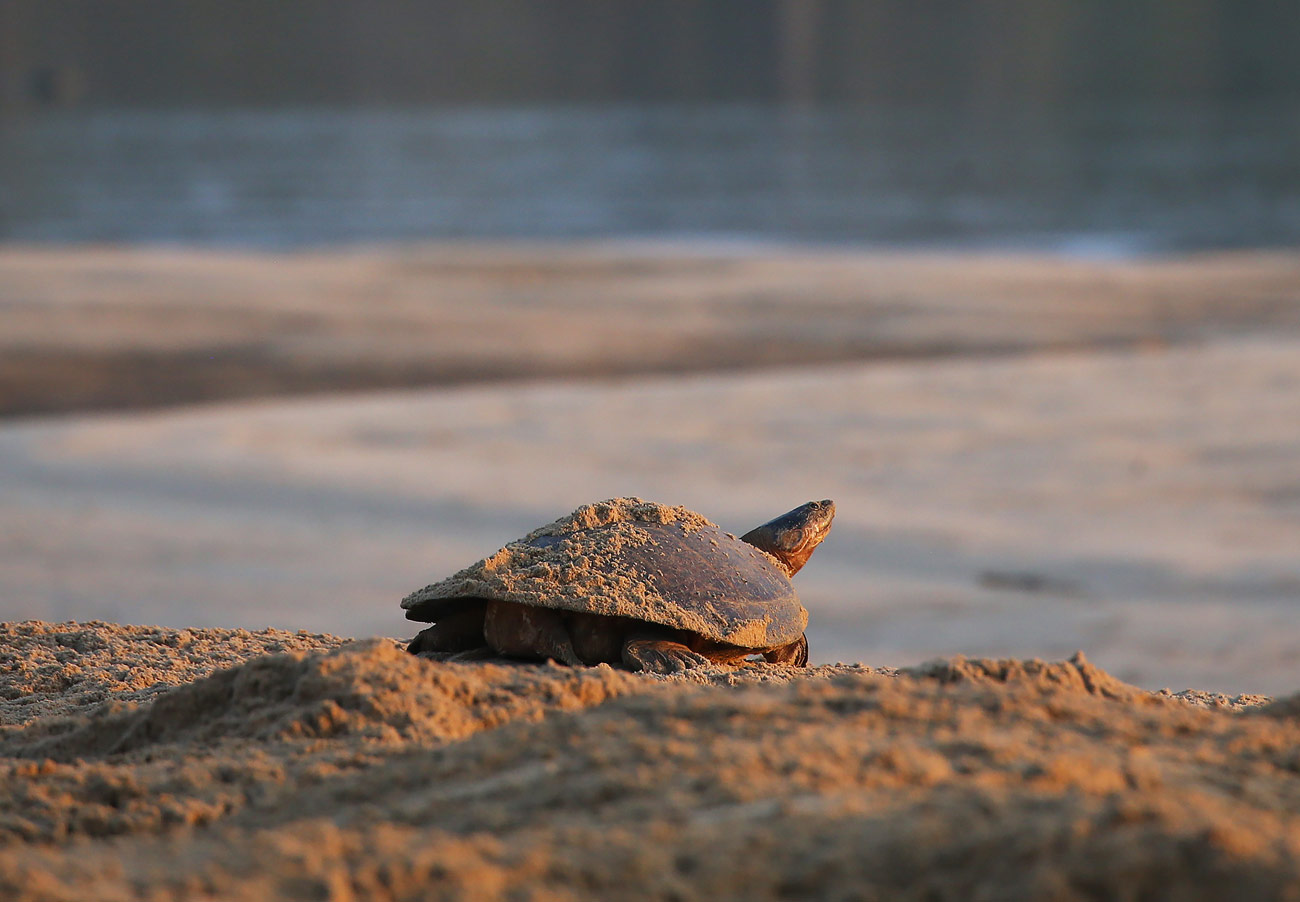
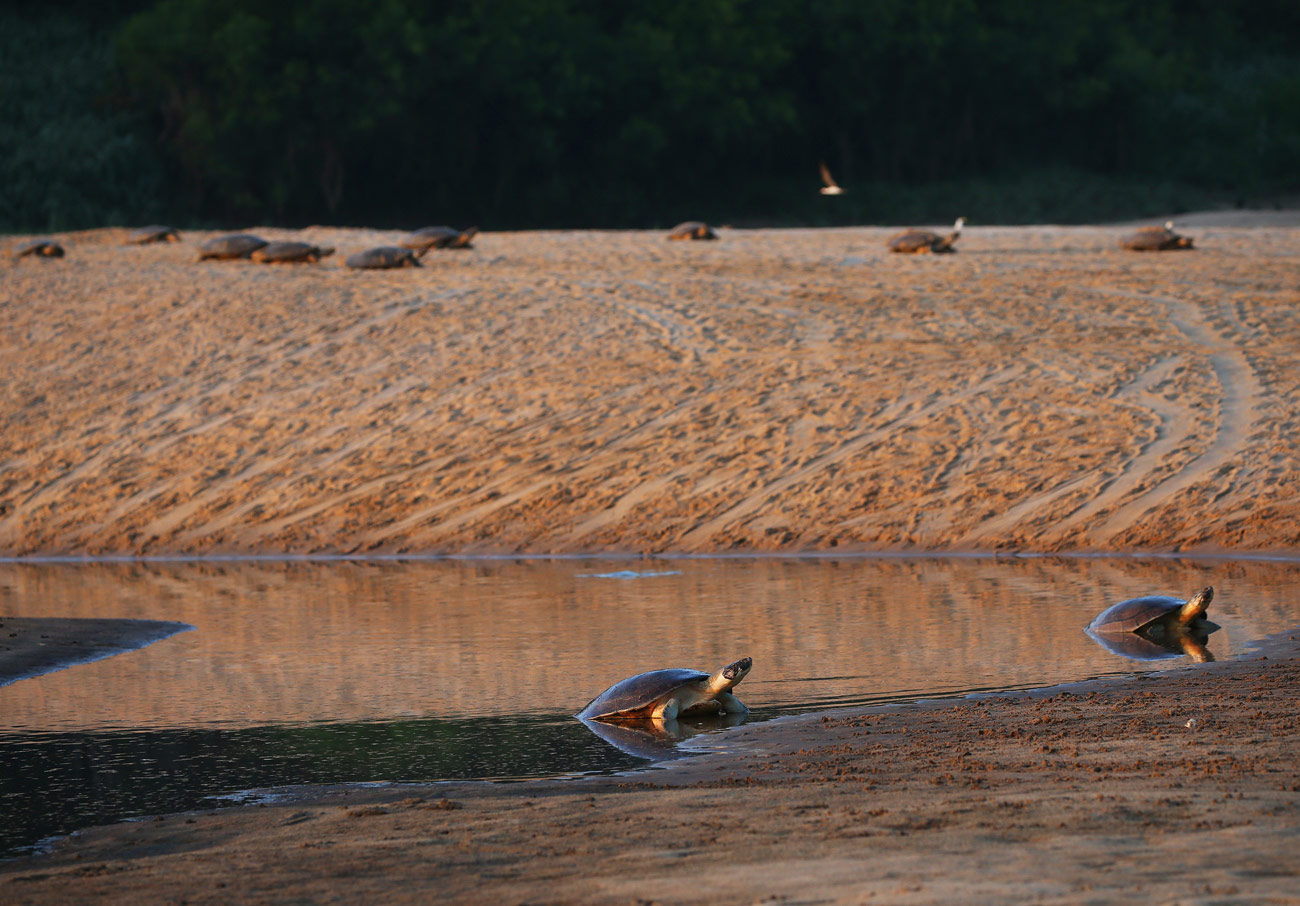
Amazon river turtle during the nesting process on the main beach of the Abufari Biological Reserve, on the Purus River, in Tapauá (AM), on September 20, 2025.
Photo: Edmar Barros/Amazônia Latitude.

Abufari Biological Reserve: Arrau Turtle Sanctuary on the Purus River

Marcos Colón (text) & Edmar Barros (photos)
October 24, 2025

Who arrives on the main beach of the Abufari Biological Reserve, in Tapauá, Amazonas, finds a scenario in which the grandiosity of nature and human vigilance entwine in poetic harmony. This is not merely a stretch of flat sand, but the largest freshwater turtle sanctuary on the planet. Together with the Guaporé Reserve, the Abufari figures among the largest refuges in the world dedicated to the preservation of the Arrau turtle and other turtles, being a rare site where life finds space to restart, generation after generation.

default img

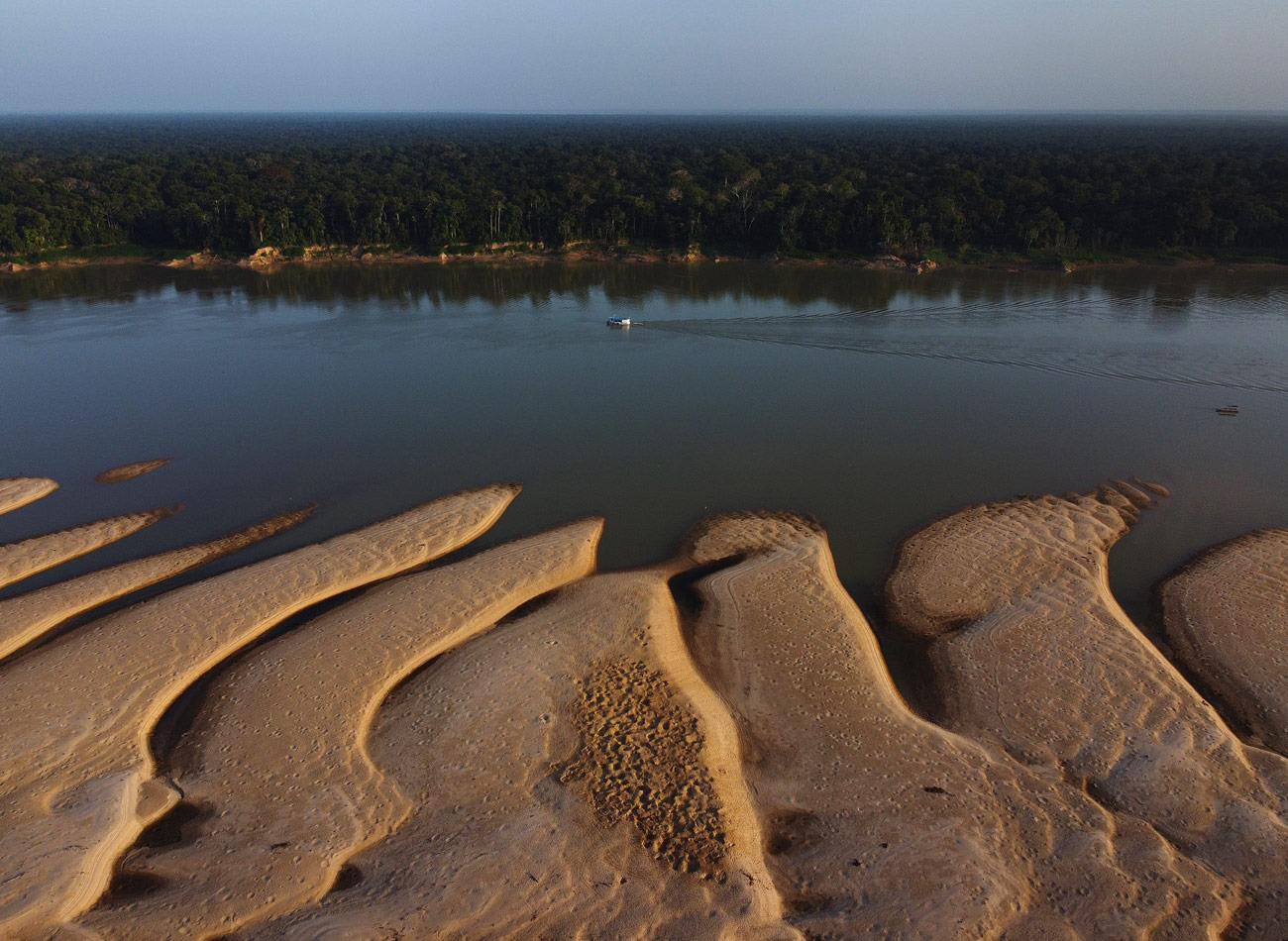
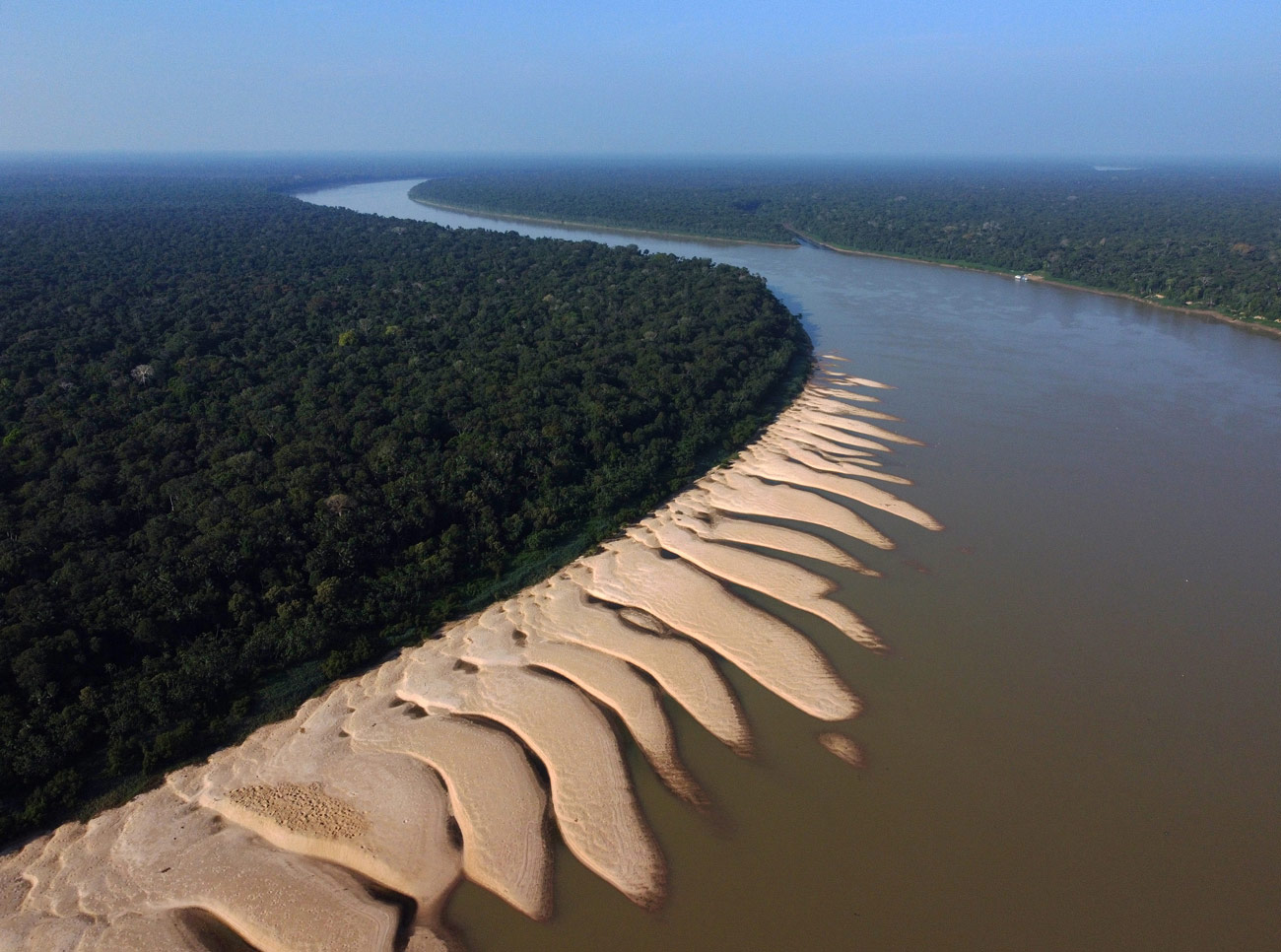
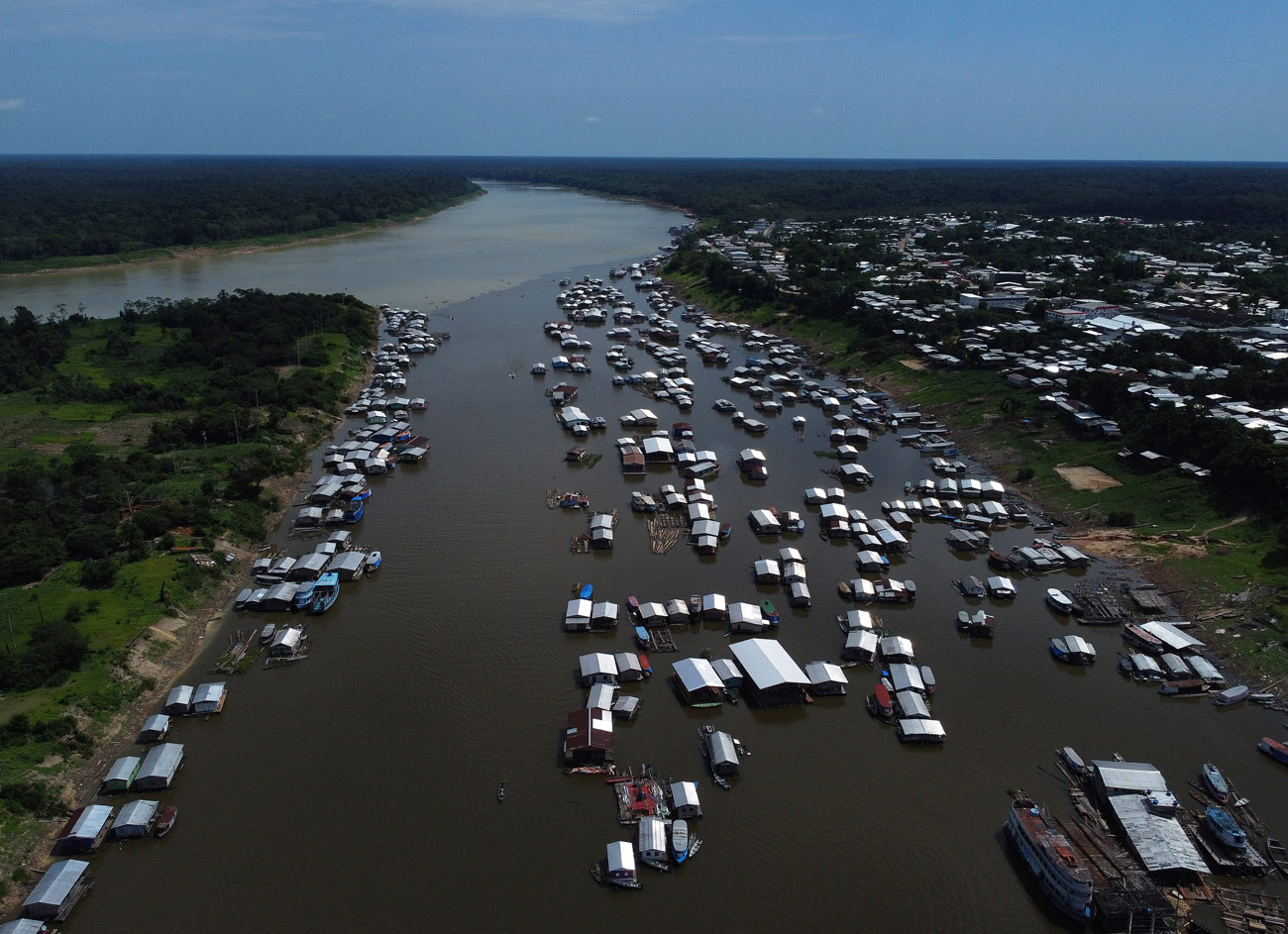
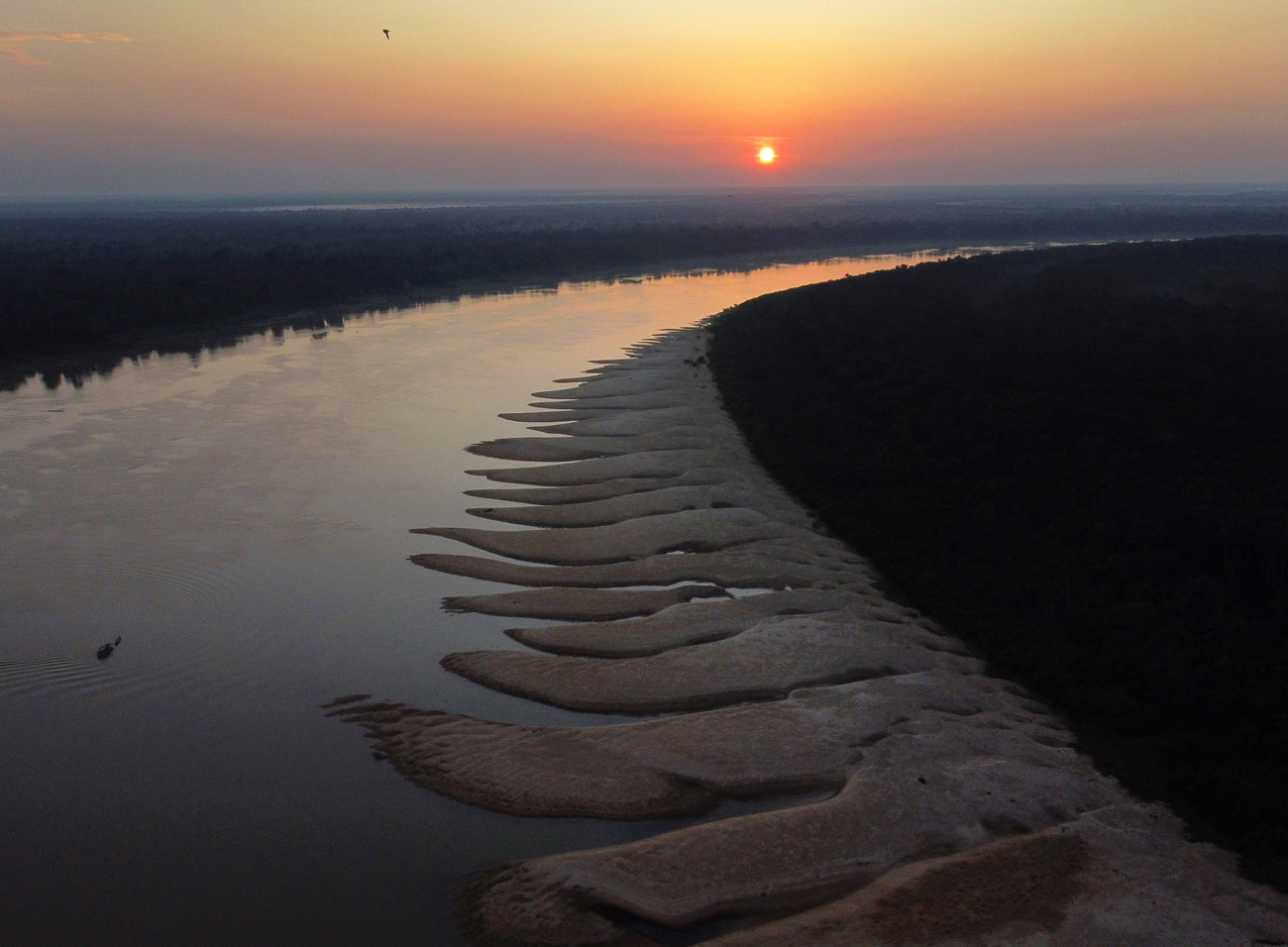
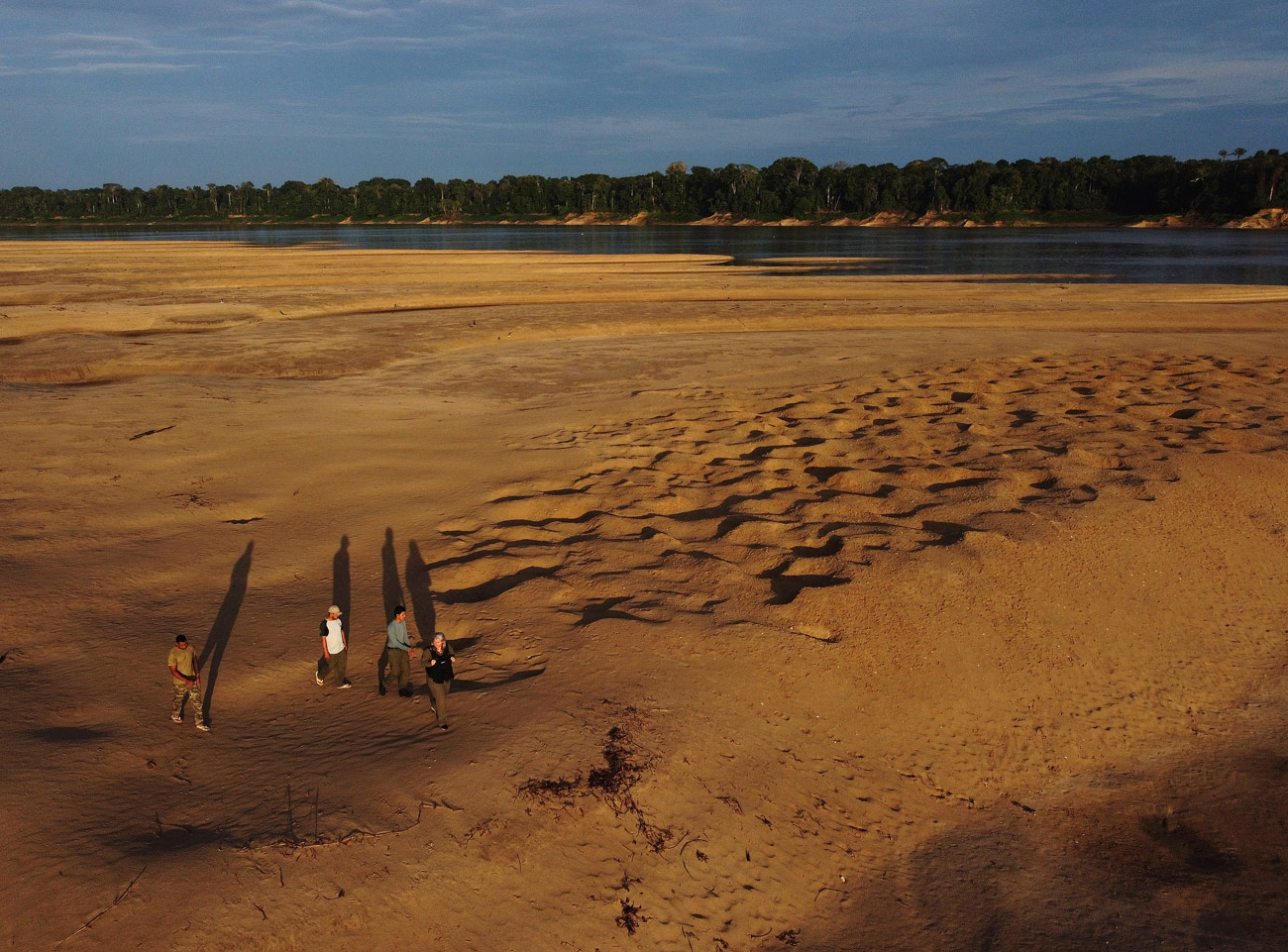
Aerial view of a section of the main beach of the Abufari Biological Reserve, on the Purus River, in Tapauá (AM), on September 22, 2025.
Photo: Edmar Barros/Amazônia Latitude.

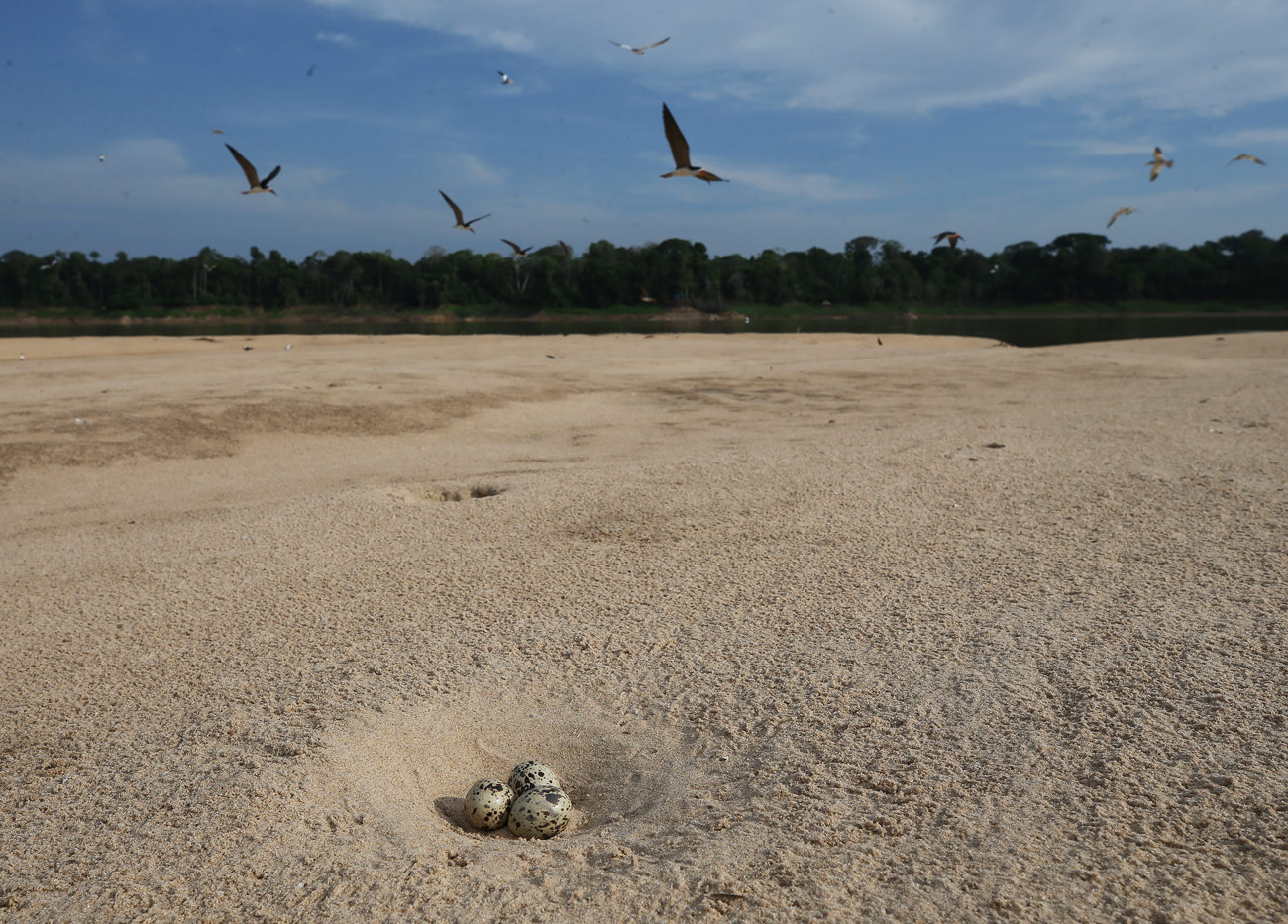
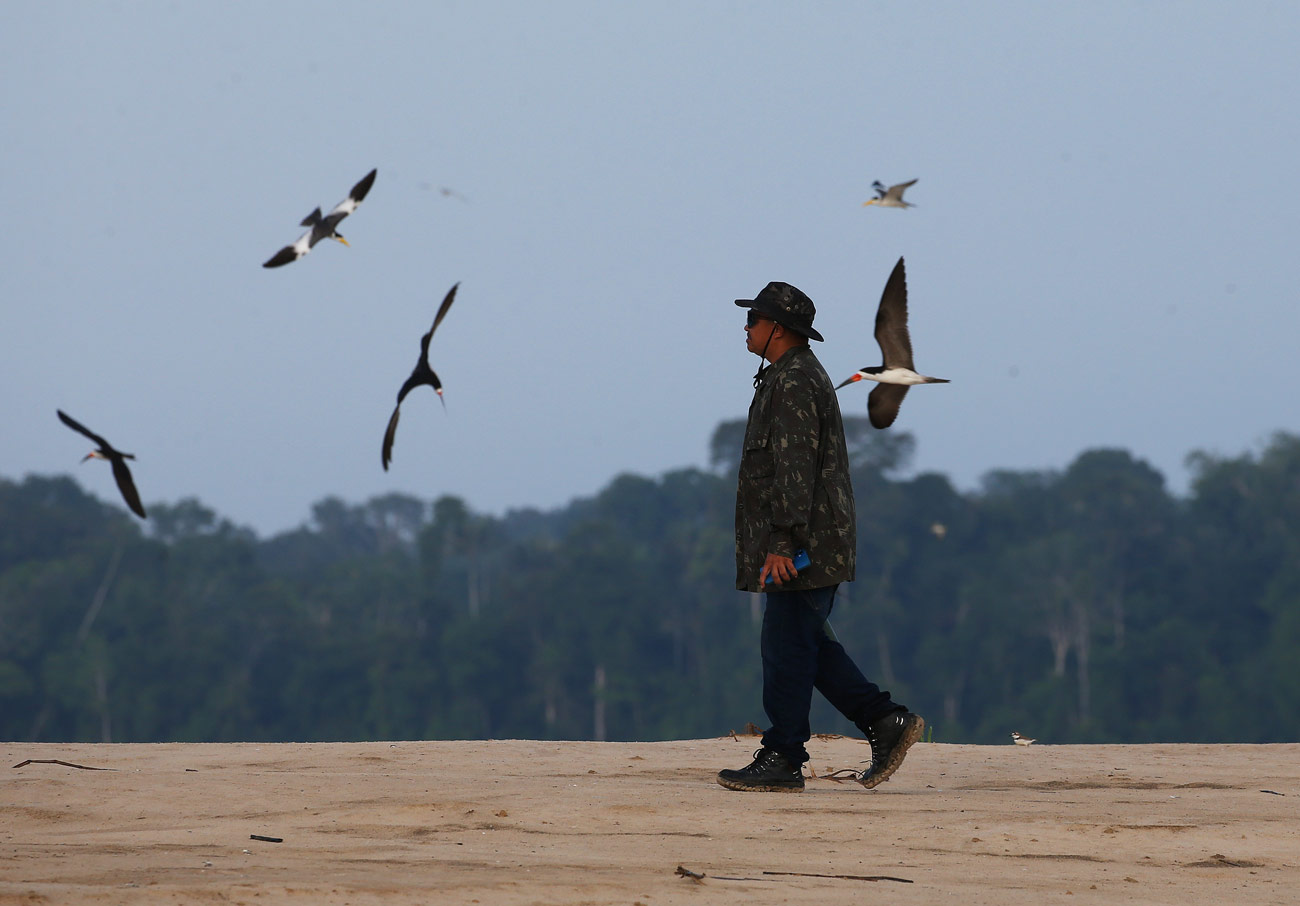
In the soft light of a dawn in September 2025, the white sands on the banks of the Purus River shelter thousands of sleeping beings, Arrau turtles. They begin laying eggs in the early hours and stop a little after the sun comes up, leaving delicate tracks that snake to the water. Gulls fly overhead and land nearby; some from their nests exposed on the surface of the sand compose a symphony of care shared between species. On the horizon, four hours away by boat, where the waters of the Ipixuna River meet those of the Purus, a floating neighborhood of colored stilts can be seen. Here, around eight hundred families live suspended above the river, without basic sanitation, revealing a marked contrast of human resistance and precarity. The protection of life, be it that of the turtles emerging from the sand, or that of the people in the floating houses, is a daily challenge under the same Amazonian sky.

default img
default img

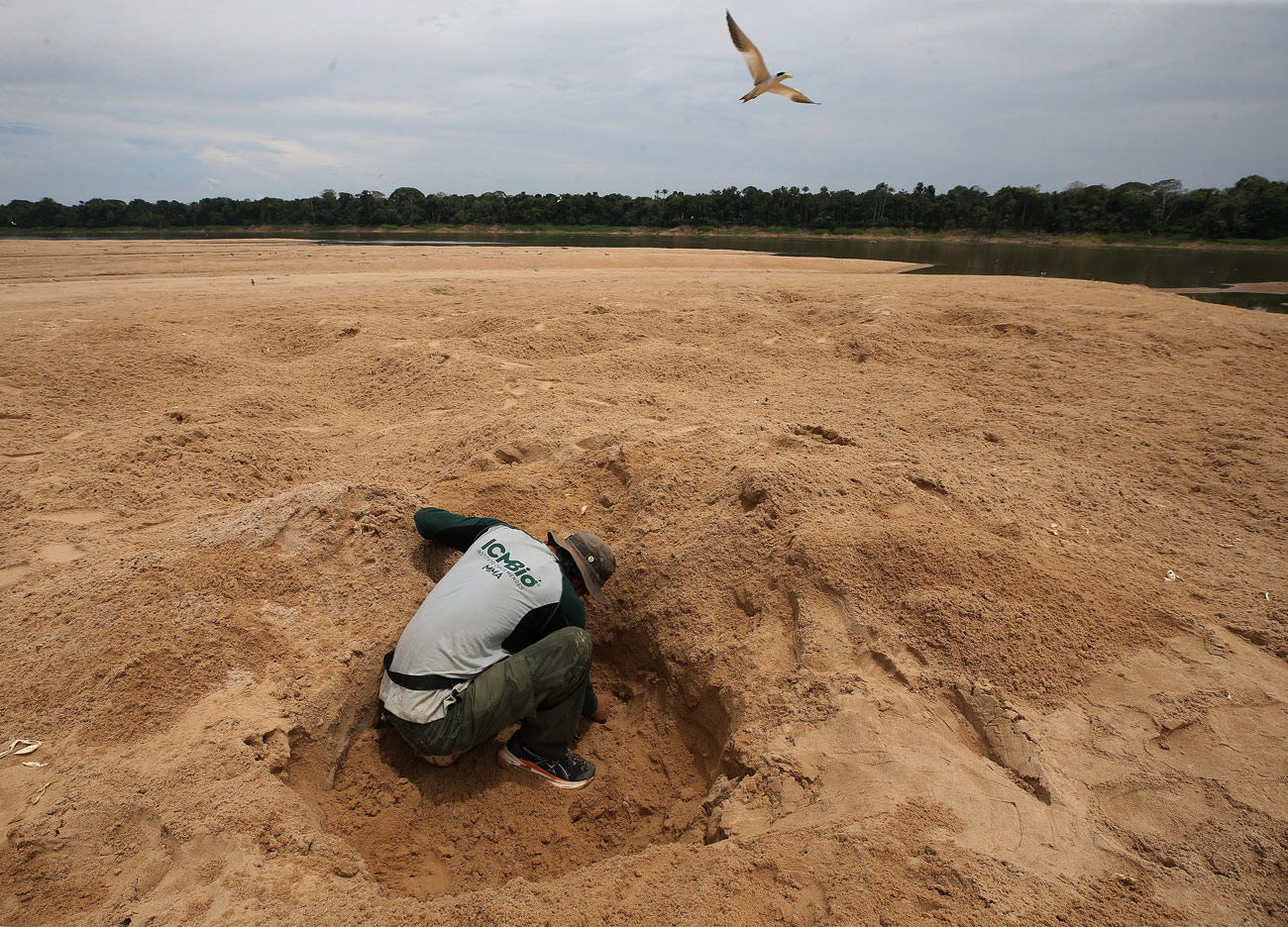
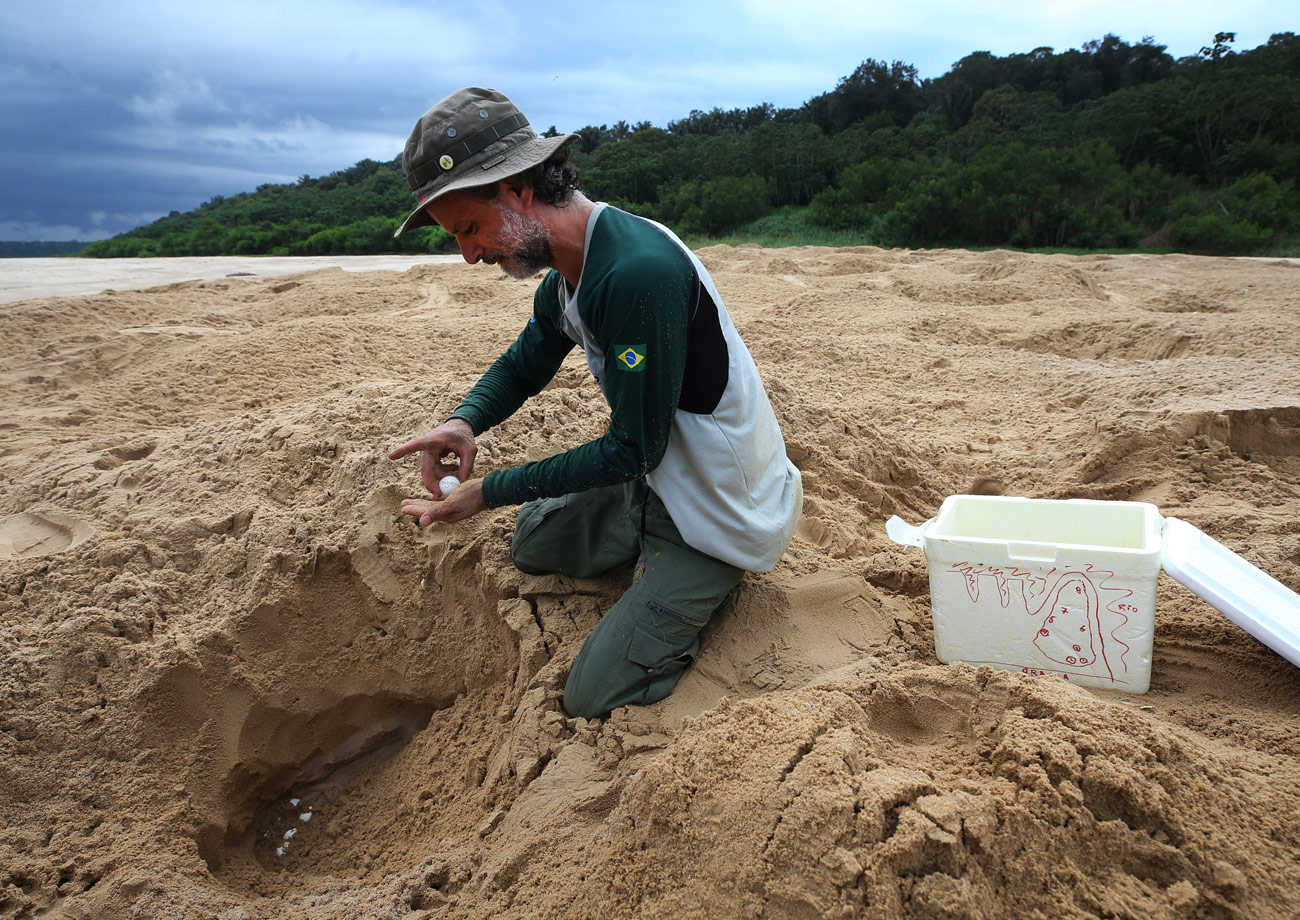
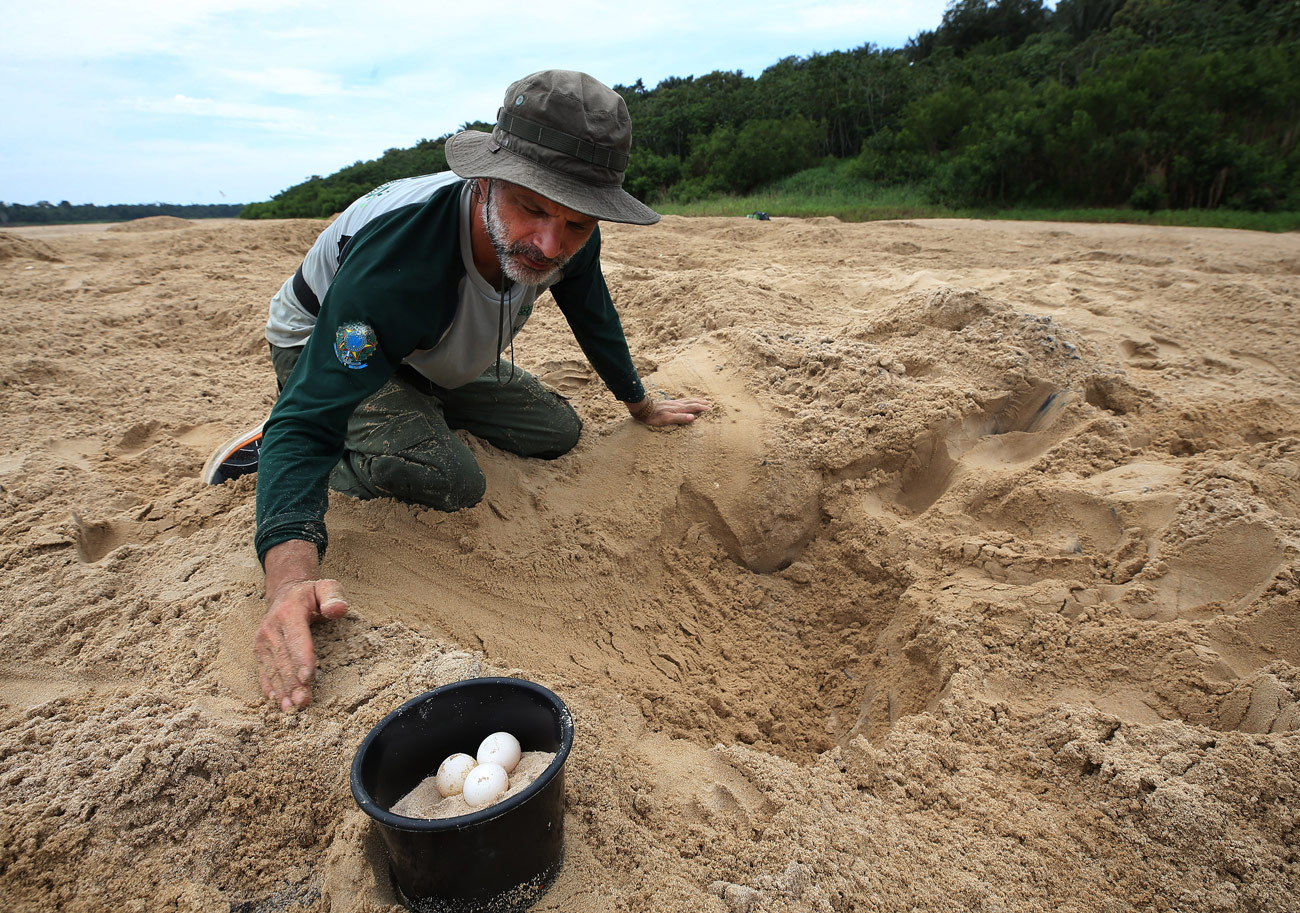
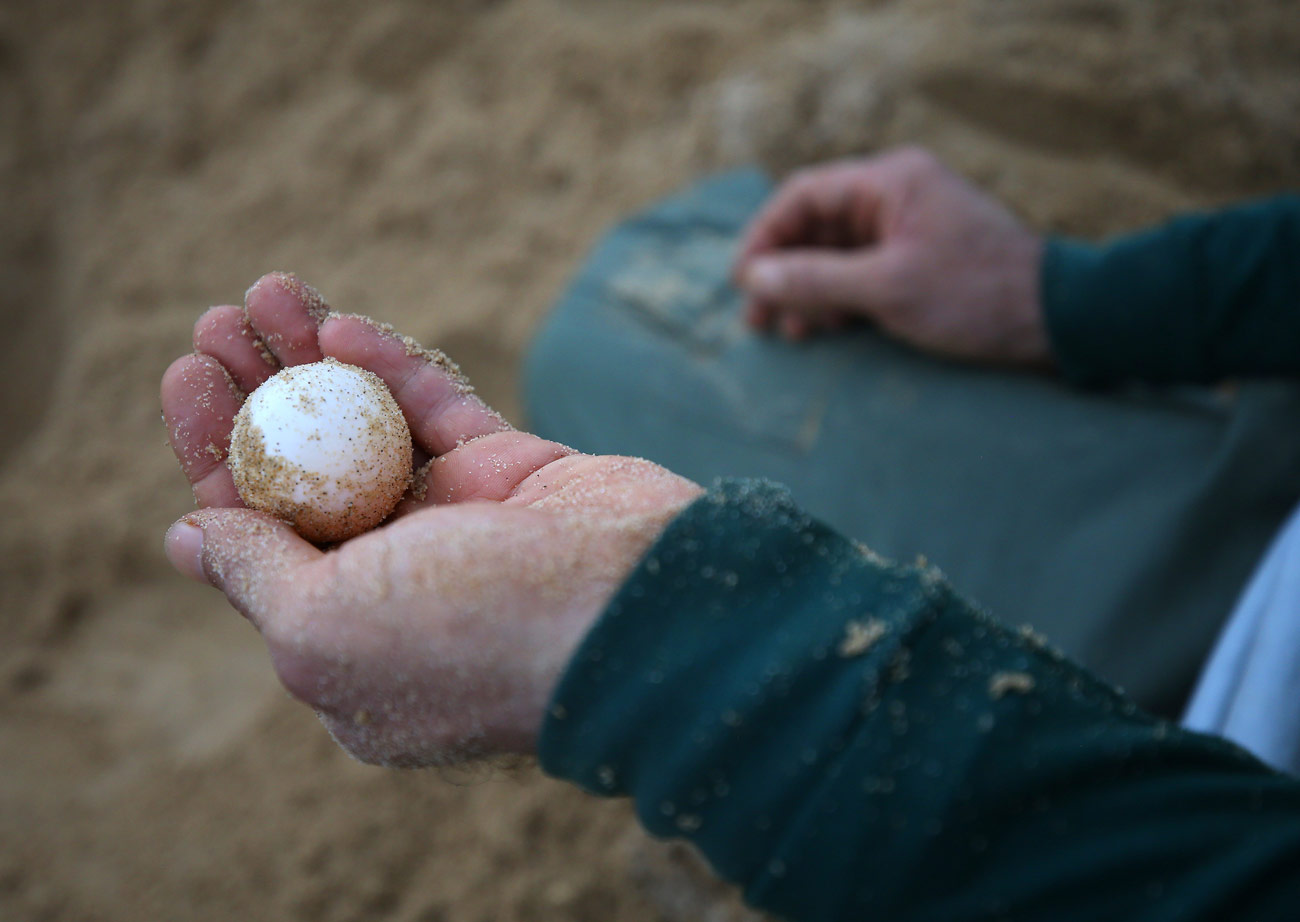
Environmental Analyst Diogo Lagroteria, from ICMBio, collects samples of Amazon river turtle eggs for genetic research on the main beach of the Abufari Biological Reserve, on the Purus River, in Tapauá (AM), on September 20, 2025.
Photos: Edmar Barros/Amazônia Latitude.

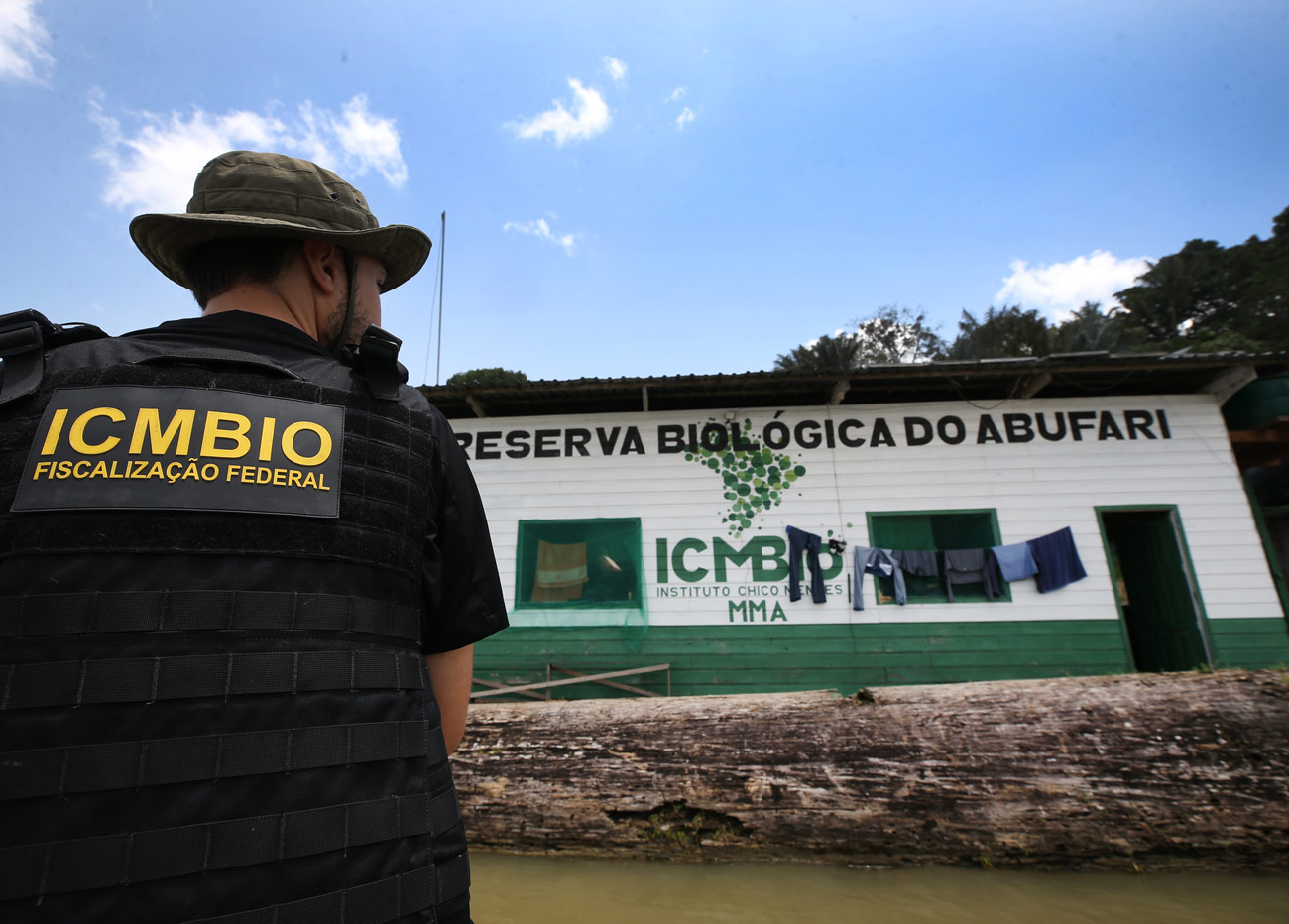
It is a trip of three nights in a hammock swinging to the slow rhythm of the hull of a regional boat, in which time seems to bend with the river. The Solimões River has been left behind and the Purus, with its maze of never-ending curves, has shown that time and distance obey a different logic here. The boat forges ahead for hours–six, eight–without seeming to go anywhere; as the riverine people say: “we sail and sail and come back to where we began”. We arrive at the surveillance base, protected by agents from the Instituto Chico Mendes de Conservação da Biodiversidade (Chico Mendes Institute for the Conservation of Biodiversity) (ICMBio), who alternate night and day in shifts on watch. The base is simple, with hanging hammocks and few resources, but with a mission greater than any comfort: protecting the lives that are born there. The silence was not empty, it was filled by the flapping of wings, by the wind in the trees, by the murmur of a beach which, even before sunrise, already sheltered patient labor. It is in this gap between night and day that the Arrau turtles come up the sand, dig deep pits and deliver to the earth a new chance of life.

In the early hours of the following night, still before the sun, we see Arrau turtles emerge from the dark to lay their eggs. Accompanied by environmental analyst Diogo Lagroteria, we learn the care protocol: keep your distance, don’t interrupt the ancestral gesture of burying life. The females dig pits almost a meter deep to protect their eggs. Each of their young, which will break through this barrier of sand in 45 to 60 days, will face a challenge comparable to a human climbing Everest upon being born. Only some will reach the water alive.

default img

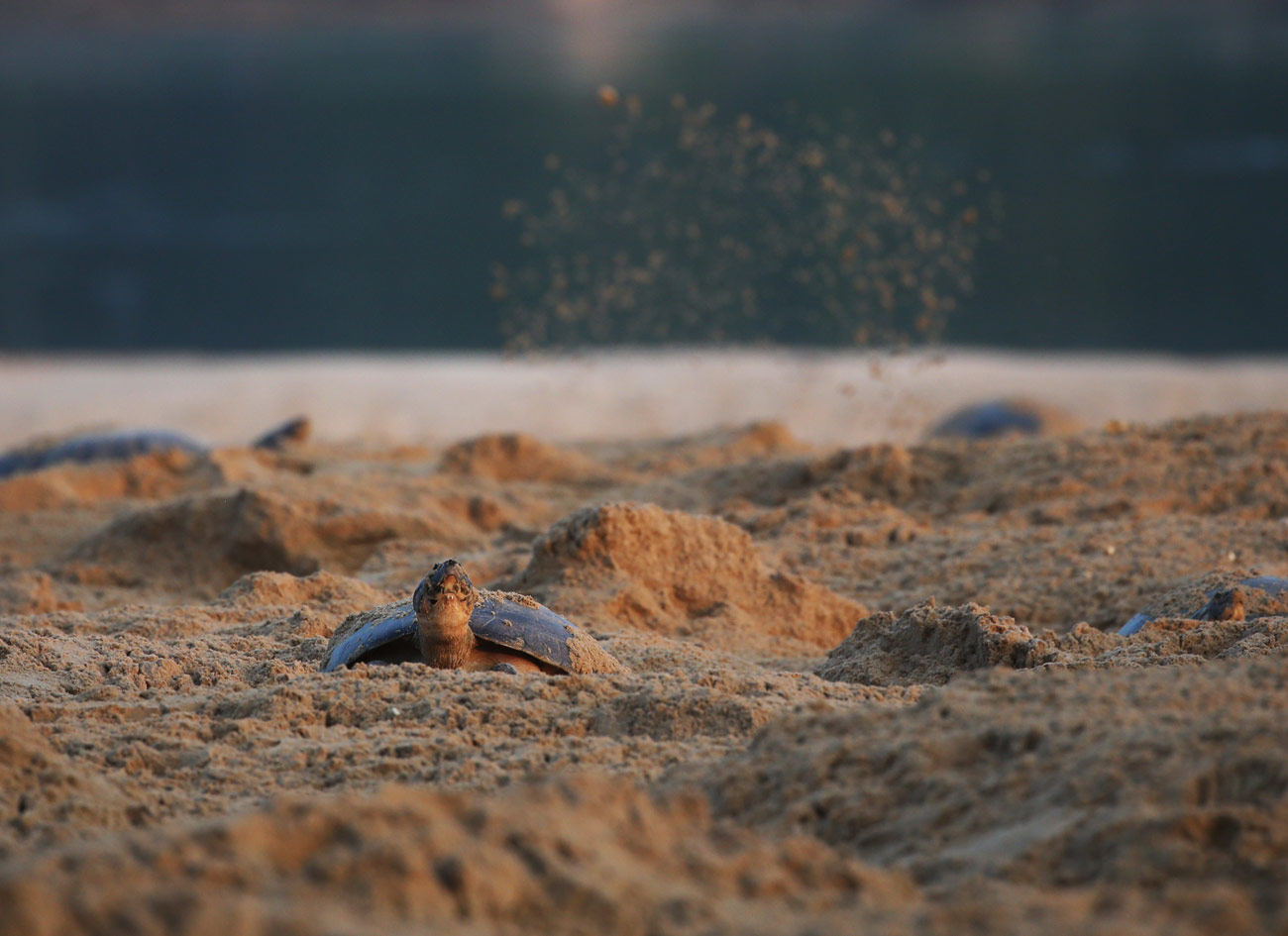
The hatchlings will face an almost impossible journey, having to overcome predators, currents, and human interference.
Photo: Edmar Barros/Amazônia Latitude.

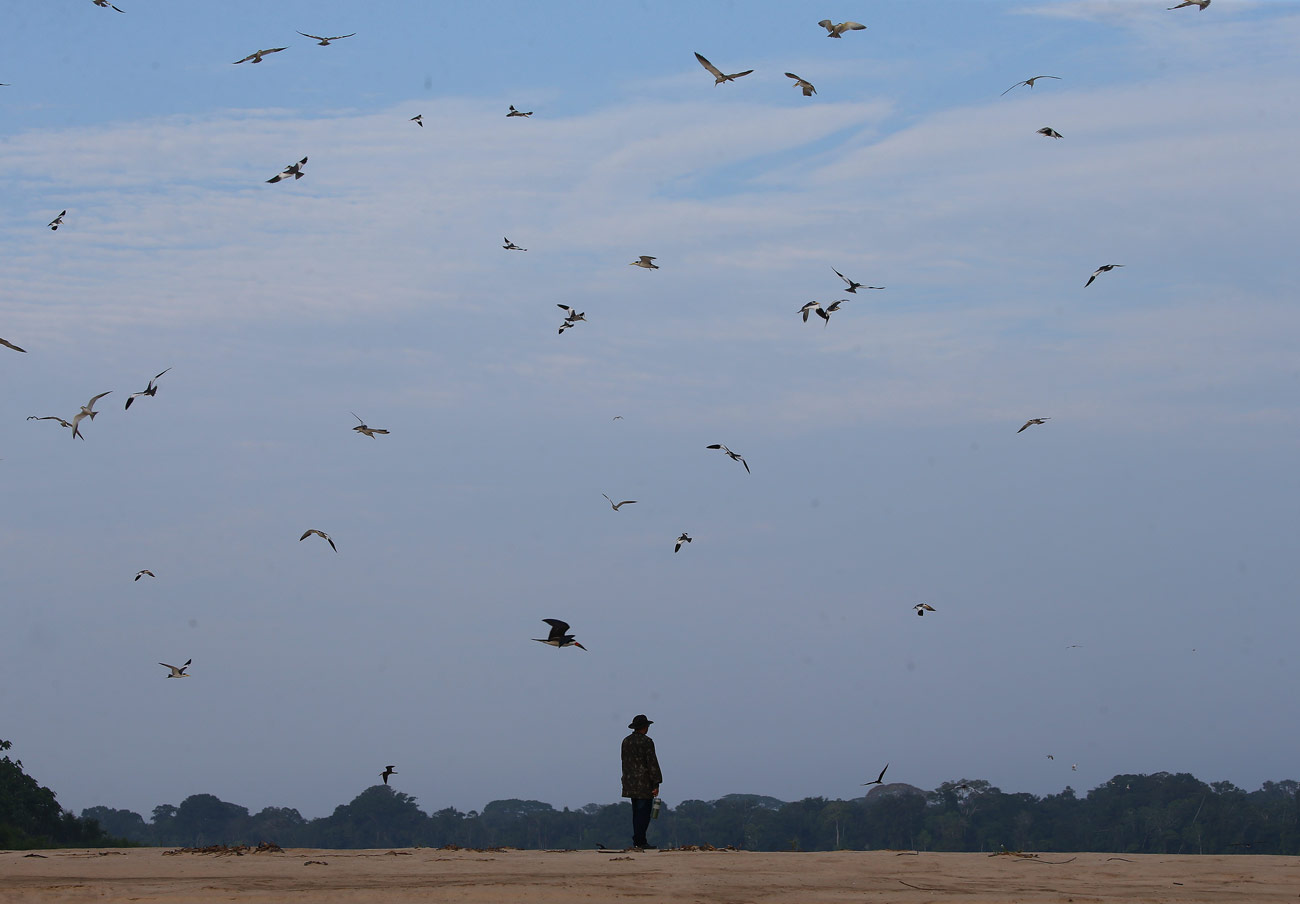
On the beach, the calm seems complete until being torn to shreds by the clamor of the gulls. Their sharp shrieks rise up like a chorus of sentinels, a harsh and persistent song, which is not of harmony but of protection. Each note was a warning, a defense against the vultures that circled the exposed nests. The sound, repeated and insistent, filled the air like an invisible wall raised around the fragile life resting on the sand. Meanwhile, the turtles, defenseless to attack, merely continued the ritual of depositing their broods. There, we understood that survival begins surrounded by threats.

The young will traverse an almost impossible path, having to overcome predators, currents, and the human hand. Decades later, twenty, thirty or maybe even fifty years on, the few turtles that reached adulthood will return to the same beach to repeat the ancestral gesture of depositing their eggs. It is a long cycle of fragility and perseverance, which makes the Abufari Biological Reserve more than a territory; it is a true refuge. Here, the turtles feel safe to give themselves to the trance of egg laying, hour upon vulnerable hour under the moon while the vultures circle awaiting the slightest slip. It is in this space of protection, guaranteed by the presence of the agents and the silence of the forest, that they trust the future of their species to the sand.

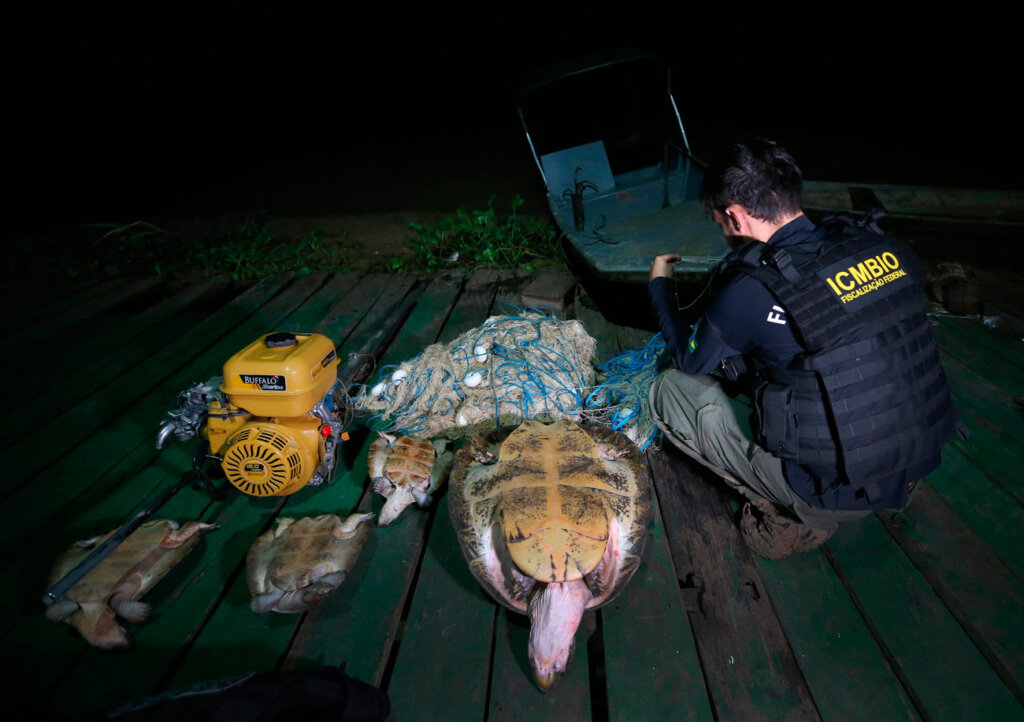
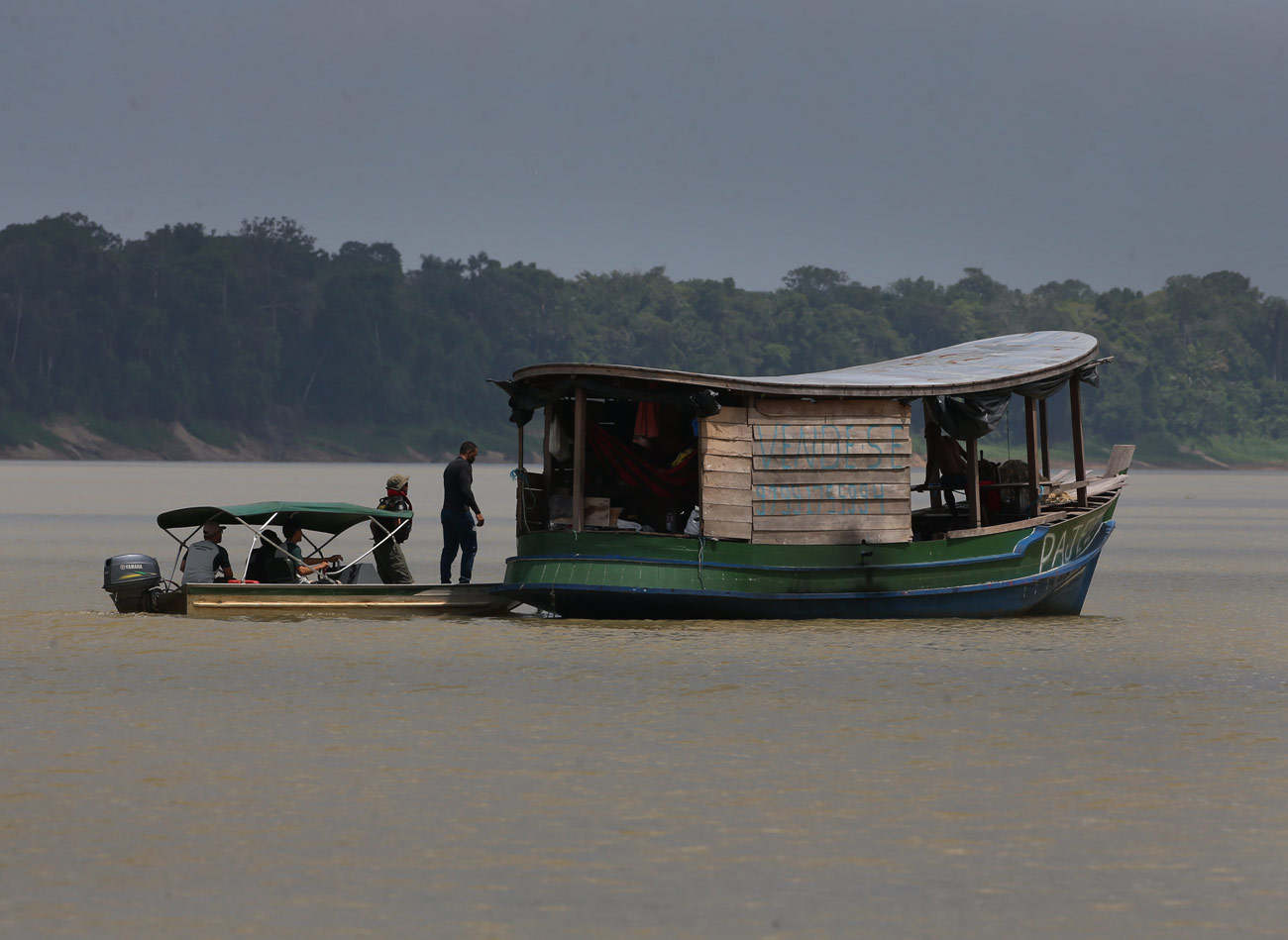
Over the few days that we spent at the Abufari Biological Reserve, we recorded what we can only call a cradle of life. Pirarucus, alligators, birds, and turtles share this untouched land that remains protected, despite the constant presence of human predators and the fragile surveillance infrastructure. We saw up close the unequal fight: few agents with only two small boats against an immense river and the illegal trade that persists in prowling along its banks. However, the motors of the patrol boats cut the river like firm voices, reminding all that the Abufari does not sleep alone.

default img

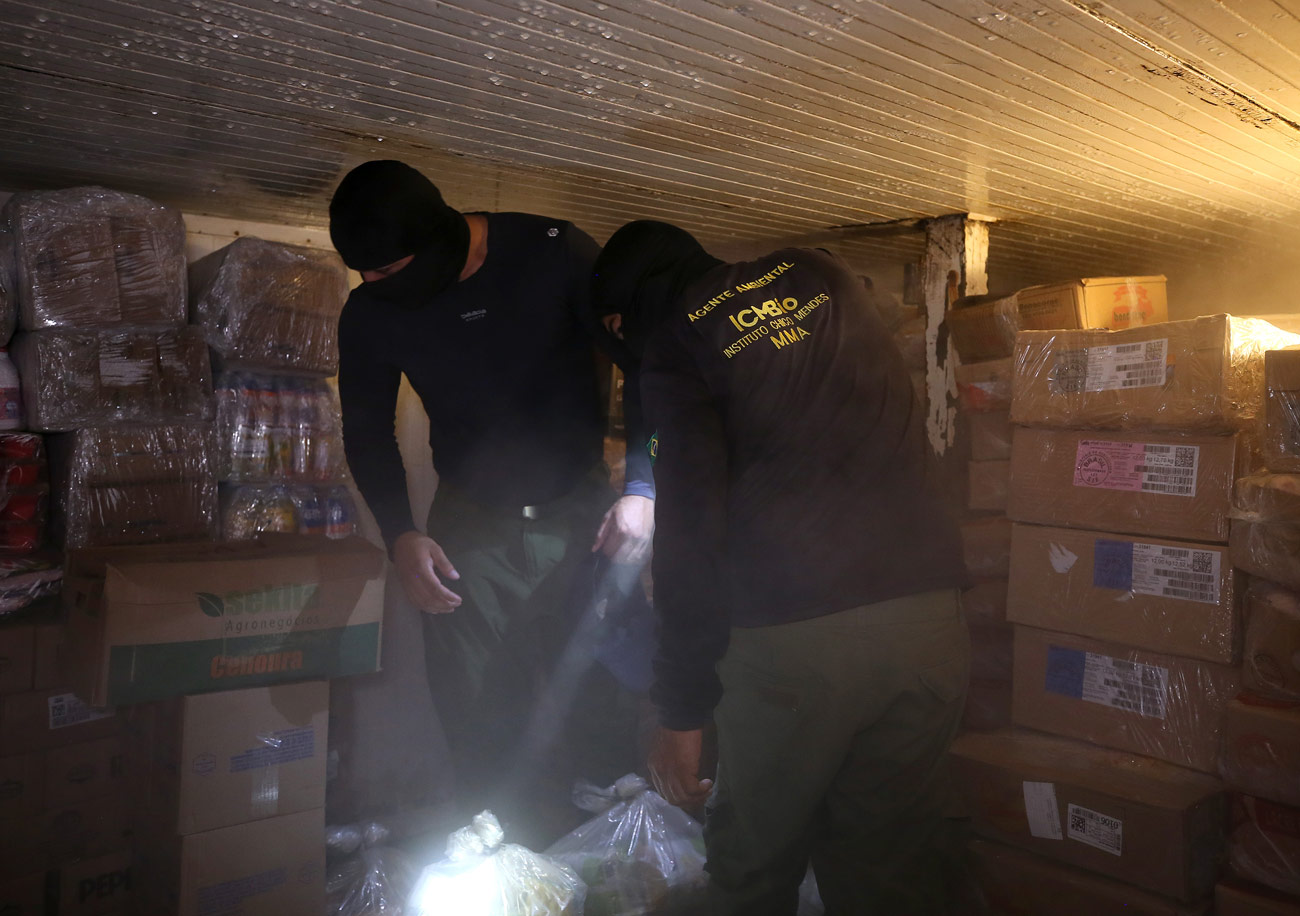
ICMBio agents seize turtles and other chelonians while inspecting a boat in the Abufari Biological Reserve, in Tapauá (Amazonas), in September 2025.
Photos: Edmar Barros/Amazônia Latitude.

A cycle under threat

Created in 1982 through Federal Decree no. 87.585, the Abufari Biological Reserve (REBIO do Abufari) occupies over 223 thousand hectares in the municipality of Tapauá, in the south of Amazonas. It is one of the epicenters for the reproduction of Podocnemis expansa, the largest freshwater turtle in South America, and houses the largest egg laying area in an integral protection conservation unit. In each season, more than 100 thousand young (up to 200 thousand in favorable years) break through and begin the desperate race to the water. Few survive, but those that reach the river carry with them the miracle of continuity.
default img

The records show a dramatic decline: from nearly 240,000 hatchlings in 2017 to just over 120,000 in 2024.
Photo: Edmar Barros/Amazônia Latitude.

The mission of the Abufari reserve, remembers Rita Lima, environmental analyst and leader of the reserve, is written in its management plan but is also revealed in the silence of the beach and the efforts of the agents: “To protect the biodiversity of the lakes and wetlands, and, above all, the largest area of turtles in the Amazon in an integral conservation unit; being a center for research and environmental education, and having this importance recognized by the local population”.

The sand still moves each season, but what was once abundance is transformed into absence. As Rita Lima reveals, the records show a dramatic fall: from nearly 240,000 hatchlings in 2017, the number has fallen to just over 120,000 in 2024. Climate change, more severe droughts, more unpredictable floods, and environmental crimes, such as the illegal collection of eggs and the hunting of turtles help explain this decline. Their eggs and meat are still consumed as a regional delicacy, and the human pressure weighs as heavily as that of natural predators.

Between 2022 and 2024, almost 210 infraction notices were registered in the Abufari. Each number carries the memory of a night on patrol, of an intercepted boat, of an interrupted attempt at pillage. It is the silent struggle of the agents that, each July, come down the Purus to protect the sands exposed by the ebb tide, when the species reveals its greatest beauty and, at the same time, its greatest fragility.
default img
default img

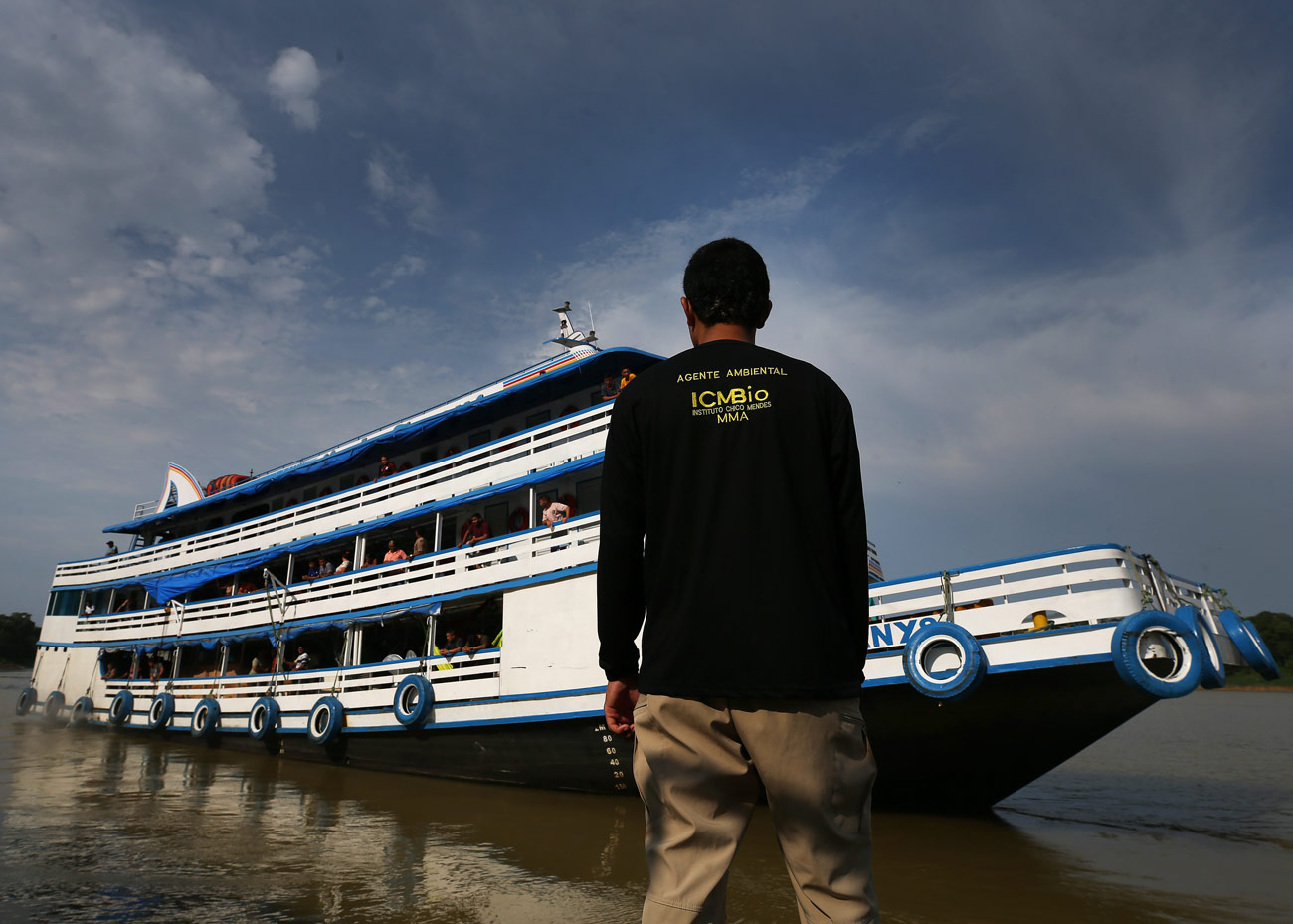
Few agents and only two small boats face the illegal trade that continues to operate along the waters of the Ipixuna and Purus rivers, where around 800 families live without basic sanitation.
Photo: Edmar Barros/Amazônia Latitude.
default img

On the main beach of the Abufari Biological Reserve stretches the largest freshwater chelonian sanctuary on the planet.
Photo: Edmar Barros/Amazônia Latitude.

The front line

This landscape cannot protect itself. In the Abufari, the human presence that matters wears a uniform and carries a notebook. They are analysts, inspectors, and temporary agents of the ICMBio and the Instituto Brasileiro do Meio Ambiente e dos Recursos Naturais Renováveis (Brazilian Institute for the Environment and Natural Renewable Resources) (Ibama) that alternate in 24-hour shifts at simple bases, with few resources and difficult access. They sleep in hammocks, rely on small boats, and confront the vastness of the Purus to monitor beaches, provide orientation to the fishers, and prevent theft.

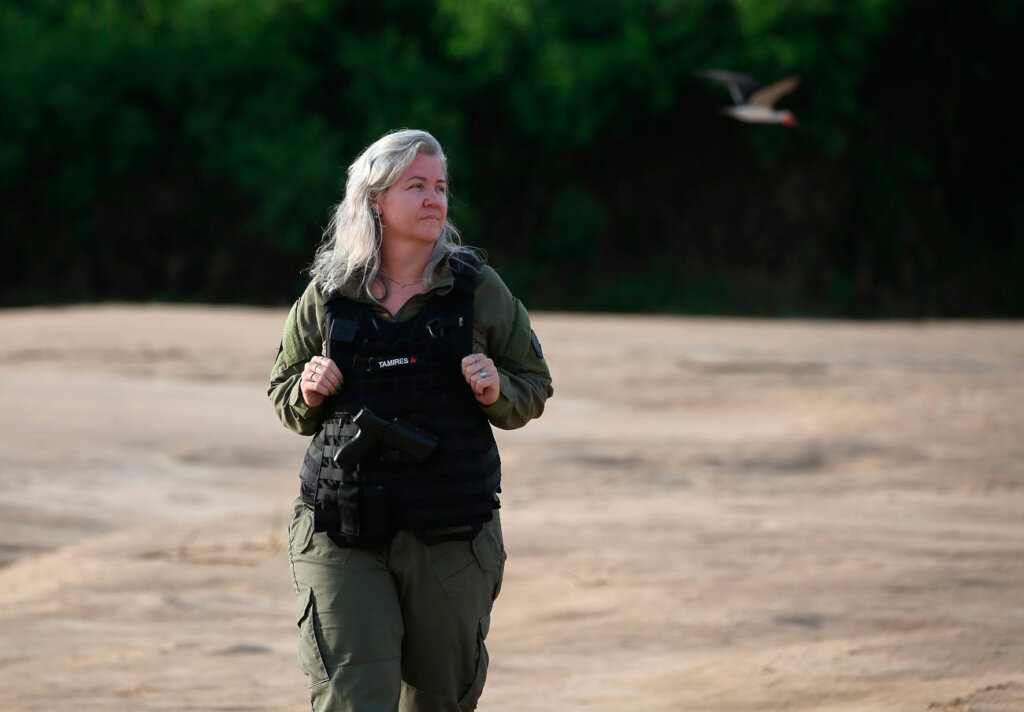
The human guardians also appear between the curves of the Purus. Tamirês Mutz, environmental analyst, walks attentively between nests alongside local environmental agents, like one who listens to the heart of the sand. Diogo Lagroteria gathers eggs like one who holds the future in his hands. And Rita Lima stitches together surveillance, science, and community, keeping the pact with the forest alive. In them, preservation finds a face, gesture, and voice.

The Abufari is a corridor of life where pirarucus come up for air, alligators keep a discrete watch, and birds fight for space with vultures in the defense of fragile nests. In the Chapéu lake complex, hundreds of lakes, creeks and streams form a mosaic of diversity, which shelters threatened species and sustains riverine communities. Where the Ipixuna River meets the Purus, a floating neighborhood where around 800 families live is a reminder that conservation is also a question of dignity: without basic sanitation, without economic alternatives, the pressure on natural resources remains high.
default img

Supporting the work of ICMBio and Ibama means saving not only the turtles—it means defending the Amazon as a nursery for the future.
Photo: Edmar Barros/Amazônia Latitude.

The lesson of the turtles

With each of the young that breaks through the sand and reaches the river, the Abufari reaffirms its essence of being one of the last great cradles of life in the Amazon. But this miracle is not guaranteed. It depends on constant vigilance, serious public policies, community participation, and the resilience of the turtles themselves.

The images in this gallery were born from this pact of attention: from the silent efforts of the females, from the nights of the agents on watch, from the persistence of the researchers, and from the power of the forest itself. To see these photographs is to hear the river say that life needs time, space, and protection. It is to recognize that each nest dug in the sand, year after year, is also a lesson in resistance: against all the bends in the Purus, against the weight of climate change, and against human greed.

The Abufari teaches us that the defense of life is never solitary, but a collective act. Sustaining the work of the ICMBio and Ibama is not only saving the turtles but also defending the Amazon as a cradle for the future. On the white sand beaches of the Purus, an extreme beauty continues to be revealed: for each egg that is hidden in the ground, for each of the young that reaches the surface, the forest reaffirms its vocation for survival. The images that follow are a call from the silent resistance of the turtles, of the agents, and of the forest, to not merely be contemplated, but protected, like the river protects life in its infinite curves.
default img

ICMBio analyst Tamires Mutz (left photo) and agents conduct monitoring of the main beach of the Abufari Biological Reserve, in Tapauá (Amazonas), in September 2025.
Photo: Edmar Barros/Amazônia Latitude.
default img
default img
default img
default img
default img
default img
default img
default img
default img
default img
default img
default img

Texto: Marcos Colón
Fotos: Edmar Barros
Revisão: Juliana Carvalho
Montagem da página: Fabrício Vinhas
Direção de Redação: Marcos Colón

Acesse gratuitamente

Deixe seu e-mail para receber gratuitamente a versão digital do livro e ampliar sua leitura crítica sobre a Amazônia e o Brasil.

Download Livro

Este conteúdo é parte do compromisso da Amazônia Latitude de tornar visíveis debates e pesquisas sobre a Amazônia e o Brasil. Continue explorando conteúdos no site e redes sociais e, se quiser fortalecer esse trabalho independente, considere apoiar via pix: amazonialatitude@gmail.com.

Translate »